Tata Sierra ICE launch:
For those who remember the original Sierra — boxy, bold, and iconic — its revival has been eagerly awaited. In recent months, Tata Sierra ICE launch has been teased through spy shots, test mules, and reports suggesting that the combustion version may follow the EV variant. The question now: how soon will India see a petrol/diesel Sierra on the roads?
In this article, I take you through what we know so far, what the spy shots suggest, the business logic behind timing, challenges, and what a Tata Sierra ICE might bring to the table.
1. The Legacy & Revival
When Tata Motors first launched the Sierra (1991–2003), it carved a niche as India’s early off-road SUV with personality. Its distinct shape, large windows, rugged character — it had character.
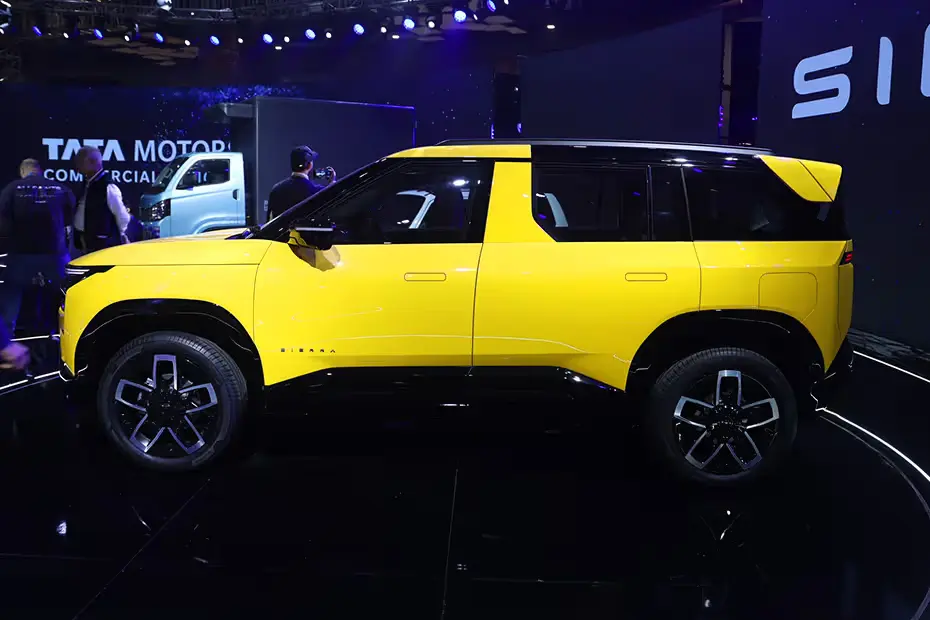
Now, Tata is bringing back the Sierra nameplate in a modern avatar (EV + ICE). The EV version is expected to arrive first (around October 2025), followed by ICE versions in early 2026. CarLelo
That staggered roll-out gives Tata room to highlight its electrification credentials yet not abandon traditional buyers who still prefer ICE. The Tata Sierra ICE launch is being positioned as the next key phase of that comeback.
2. What Spy Shots & Reports Reveal
Let’s dive into what’s visible, what’s plausible, and what is speculation so far.
a) Spy Shots & Design Hints
-
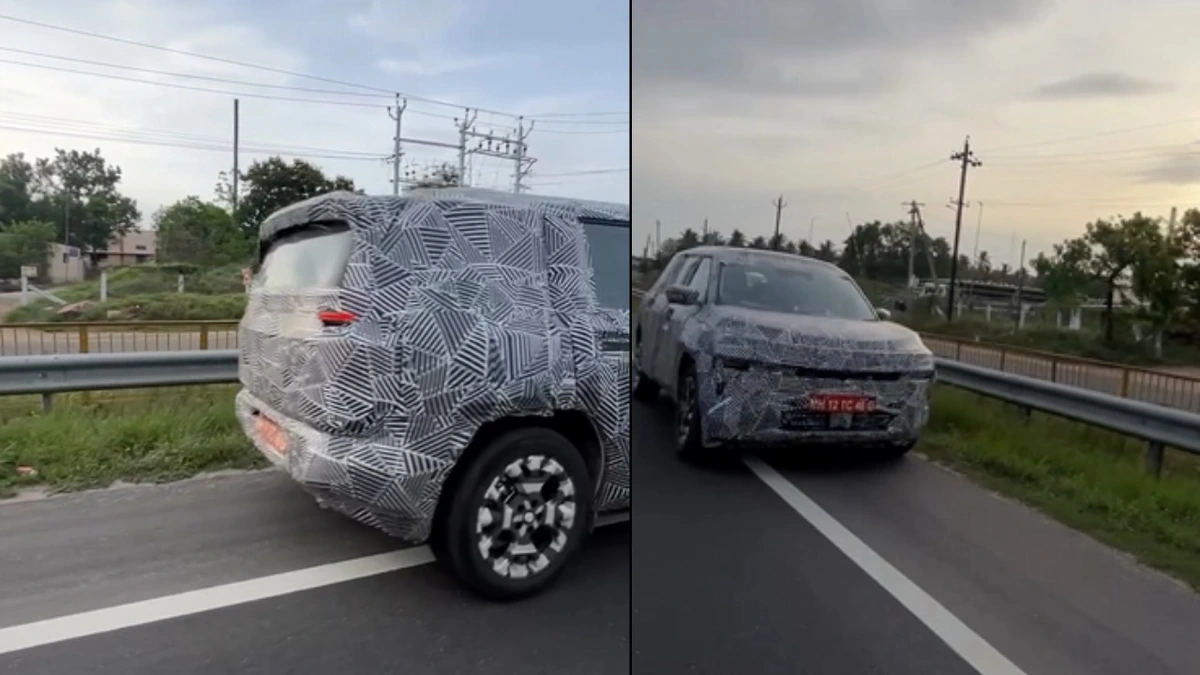
Recent spy photos show Sierra ICE mules at fuel stations, confirming internal combustion testing is underway. CarWale
-
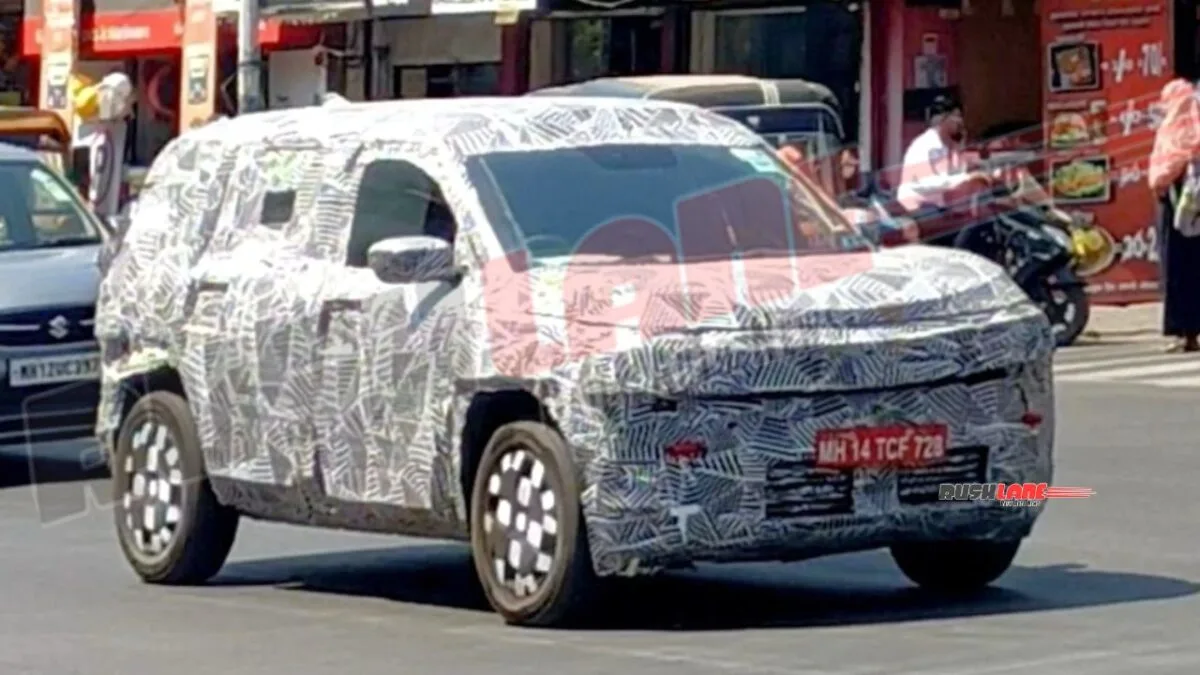
The camouflaged test mule in Pune reveals chunky body cladding, squared wheel arches, flush door handles, thick B-pillars, and a grille with multiple horizontal slats. CarWale
-
The interior glimpses reveal a tri-cluster instrument layout (driver, infotainment, passenger screens). CarWale
-
Earlier sightings show the Sierra measuring about 4.3 meters long, offering room inside for passengers. ACKO Drive
From these cues, design seems consistent with Tata’s new SUV language (Harrier / Safari lineage) but leaning boxy, purposeful, and muscular.
b) Powertrain & Mechanical Hints
-
Some reports suggest a 1.5-litre turbo petrol engine could power the ICE Sierra. CarWale
-
There is speculation about a 2.0-litre diesel (or borrowed diesel from Harrier / Safari) for higher trims. CarLelo
-
Since emissions / regulatory norms are tightening, the ICE versions will need to be compliant with current Bharat / BS VI+ standards.
If true, Tata would align its engine choices to balance cost, performance, and compliance.
3. Timing & Launch Strategy
The timing of the Tata Sierra ICE launch is as strategic as the product itself.
EV First, ICE Later
Tata is expected to launch the Sierra EV in October 2025 (festive season), then bring ICE versions in early 2026 (Q1) as a complementary offering. CarLelo
This ordering does two things: it builds the narrative of electric leadership, and also gives time for ICE development, homologation, cost tuning, and final validation.
Market Positioning
The ICE version helps Tata target the larger market segment that is not ready or willing to jump into EVs — especially in smaller towns or areas with weak charging infrastructure. It widens the appeal.
Competitive Advantage
By launching ICE later, Tata can monitor customer feedback on the EV version, fine-tune ICE variants, and possibly use lessons from EV variant experience (platform sharing, modularity) to optimize ICE offerings.
Also Read: https://grandautoworld.com/royal-enfield-record-sales-september-2025/
4. What to Expect: Specs, Features & Price
Here’s a reasoned guess based on leaks, segment norms, and Tata’s positioning.
Dimensions & Segment
Expect Sierra ICE to be a mid-size SUV around 4.3 m length (as seen from spy comparisons). ACKO Drive
It will aim to compete with Creta, Seltos, etc. Some sources put expected price between ₹15–25 lakh (ex-showroom) in India. CarDekho
Engines & Performance
-
1.5-litre turbo petrol (mid to high trim)
-
Possibly a NA petrol (entry trim)
-
Diesel (less certain, but possible in some variants)
-
Power outputs might hover in the region of ~160–180 bhp or lower depending on tuning
Features & Technology
Based on interior spy shots and trends:
-
Triple-screen layout (driver + infotainment + passenger) in higher trims. CarWale
-
Connected car features, OTA updates, smart apps
-
Safety: Level 2 ADAS, 360-degree camera, multiple airbags, strong crash structure
-
Panoramic sunroof, ventilated seats, ambient lighting — features to push the “premium feel”
Variants & Trims
Likely variants will span from base to top-end — to appeal to conservative buyers and premium seekers. ICE versions may have fewer features in base trims to keep costs in control.
Price
While EV Sierra will command a premium, ICE Sierra may be more competitively priced to pull in a larger customer base. The earlier estimate of ₹15–25 lakh (ex-showroom). CarDekho
Also Read: https://grandautoworld.com/marutis-e-vitara-export-surge-6068-units/
5. Prospects, Challenges & What It Means
The Tata Sierra ICE launch could shake up the SUV space — but it also faces hurdles.
Prospects & Advantages
-
Broader appeal: not everyone is ready for EV. ICE version gives more buyer options.
-
Heritage & anticipation: the original Sierra name carries emotional connect. The revival can attract brand loyalists.
-
Platform sharing: cost synergies with EV version / shared parts may help margins.
-
First-mover opportunity: fewer direct ICE rivals in this style niche with strong branding.
Challenges & Risks
-
Regulatory pressure: emission norms, fuel efficiency targets, taxes on ICE may be increasing.
-
Cannibalization: ICE vs EV Sierra must be balanced so one doesn’t overshadow the other.
-
Cost & complexity: dual development (EV + ICE) means more engineering, testing, procurement overheads.
-
Market reception: If many buyers skip ICE and wait for EV (if charging infrastructure improves), ICE sales might underperform.
-
Competition: Strong rivals like Hyundai Creta, Kia Seltos, MG, etc., have firm footing. Sierra must offer standout value.
What It Means for Tata & the Industry
-
It signals Tata is not putting all eggs in EV basket; they want to maintain flexibility.
-
It could push other OEMs to reconsider offering both EV and ICE in next-gen models.
-
The success of Sierra ICE may influence Tata’s future ICE product decisions (engine development, investment in hybrids etc.).
6. What Would I Watch Closely
If I were following this launch, here’s what I’d keep an eye on:
-
Launch date confirmation — when exactly in 2026 ICE version is unveiled.
-
Full engine details — power, torque, fuel efficiency.
-
Trim differentiation — how much premium features will cost in each variant.
-
Sales split EV vs ICE — which variant gets more traction.
-
After-sales network & servicing — ICE demands strong support for engine parts, servicing.
-
Market response & bookings — early bookings, waiting periods, customer feedback.
Conclusion
The Tata Sierra ICE launch is not just a product reveal waiting to happen — it’s a strategic pivot. It lets Tata provide choice to buyers, balance the electric narrative with mass market practicality, and revive an iconic name with modern relevance.
While the EV version may steal the spotlight first, the ICE variant will test Tata’s ability to manage dual portfolios, engineer compliance, and deliver emotional value. If they play it right, Sierra’s return could redefine midsize SUVs in India.
Royal Enfield Record Sales September 2025: Massive 124,328 Units
1 thought on “5 Reasons Why The Tata Sierra ICE Launch Will Redefine SUVs in 2026”